In 2023, the broadband market was characterized by rapid network expansion and evolution. Moreover, in large cities and rural areas alike, whether fixed access or wireless networks, network coverage in our country has been greatly improved and enhanced.
In 2024, optimizing coverage and signal quality will be the major trend. For example, the “Signal Enhancement” special action released in January aims to significantly enhance mobile network (4G and 5G) signals, continuously advancing mobile network signal coverage in residential communities, urban villages, and urban-rural fringe areas, as well as indoor Wi-Fi coverage based on fiber to the room (FTTR). Its purpose is to meet the performance requirements of emerging applications and use cases.
Below, let us focus on several key broadband trends in 2024 and look at the key technology and architecture approaches for broadband technology and business goals.
01
Emerging applications and use cases need faster network performance
Download: China Broadband Speed Report (Second Half of 2013)
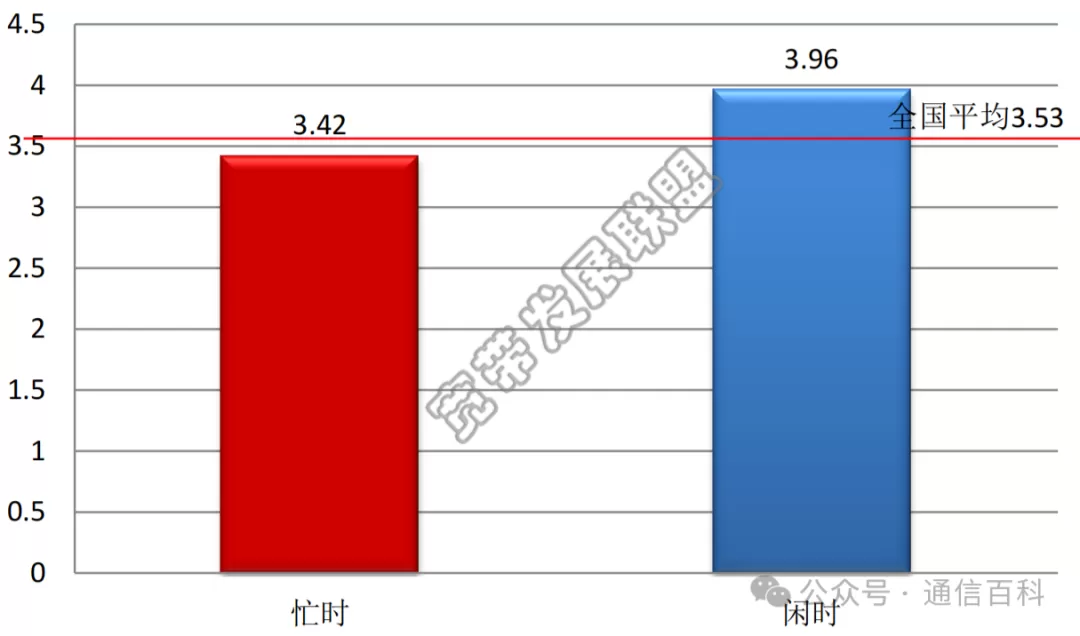
In the second half of 2013, when fixed broadband users in China performed network downloads, the busy-idle weighted average available download rate was 3.53Mbit/s, with a busy-hour average of 3.42Mbit/s and an idle-hour average of 3.96Mbit/s.
This traffic is mainly driven by video streaming apps. Although the continued growth in the adoption and quality of video content will continue to drive more bandwidth demand, a new round of applications and services will require higher network performance, meaning higher availability and bandwidth, as well as lower latency.
To overcome this challenge, operators are shifting resources and processing power closer to the network edge. There, content is operated by end users (humans and machines). This is all about leveraging edge cloud, edge caching, and next-generation IP to deliver the service experience users now expect, which requires redesigning and optimizing the network to support this new market reality.
Major trends in applications and end users in 2024
- Virtual/augmented reality for entertainment
In 2024, interactive entertainment content will make great progress. For example, we can use the latest generation of VR headsets to have a near “courtside” experience at major NBA games, or virtually attend performances by top artists. To support these highly interactive events, higher-capacity and lower-latency network connections are needed between cloud-hosted or real-time content and the virtual fans at home, all enabled by the latest network infrastructure and edge computing technologies.

Download: Edge Cloud Native Virtualization Research Report.pdf
- Symmetric broadband connections
Applicable to remote, home, and hybrid work, as well as content creation and distribution. Until recently, broadband network performance was measured by download speed, because most users were merely content consumers. However, with millions of people worldwide working from home, using collaboration tools, and creating content, upload speed is also crucial. Therefore, in 2024 we will continue to see new network plans aimed at reducing latency, improving overall network performance, and most importantly, providing symmetry between download and upload speeds to stay competitive.
02
Networks are evolving rapidly to meet new user needs
Whether user’s growing needs can be met in 2024 depends on whether the network architecture can evolve rapidly to support the performance requirements of more demanding applications and services. In particular, edge computing, edge caching, and faster connection solutions are needed to deliver the scalable, low-latency services that residential users now want and need.
Mobile Edge Cloud Platform Based on 5G vRAN.pdf
Major network evolution trends in 2024
- Convergence of IP/Optical and user plane decomposition
Due to the demands of real-time applications and services, concentrating network intelligence in core equipment rooms and enhancing repeater and aggregation capacity has become commercially unsustainable. Moreover, such schemes can no longer guarantee the performance and service quality levels required by users.
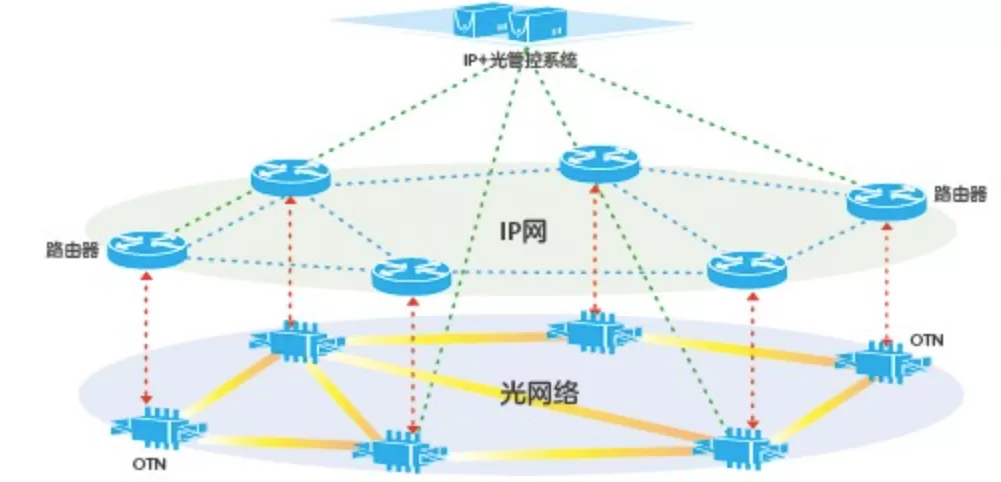
To overcome these challenges, many operators will shift IP intelligence to the network edge, converge optical and IP infrastructure, and integrate the optical line terminal (OLT) into the IP router. By collapsing these layers into a single device and bringing IP closer to the access network, operators will be able to shrink their network footprint and significantly reduce energy demand and cost in the process.
Download: Operations and IT Executives Turning Vision into Advantage
This approach can also adopt a disaggregated and virtualized broadband network gateway (vBNG) model, thereby deploying the network user plane at the network edge and creating local breakout. By simplifying local breakout that adopts edge cloud and caching, the bandwidth requirements of the middle layer and aggregation network are reduced, and the performance of cloud applications can also be greatly improved.
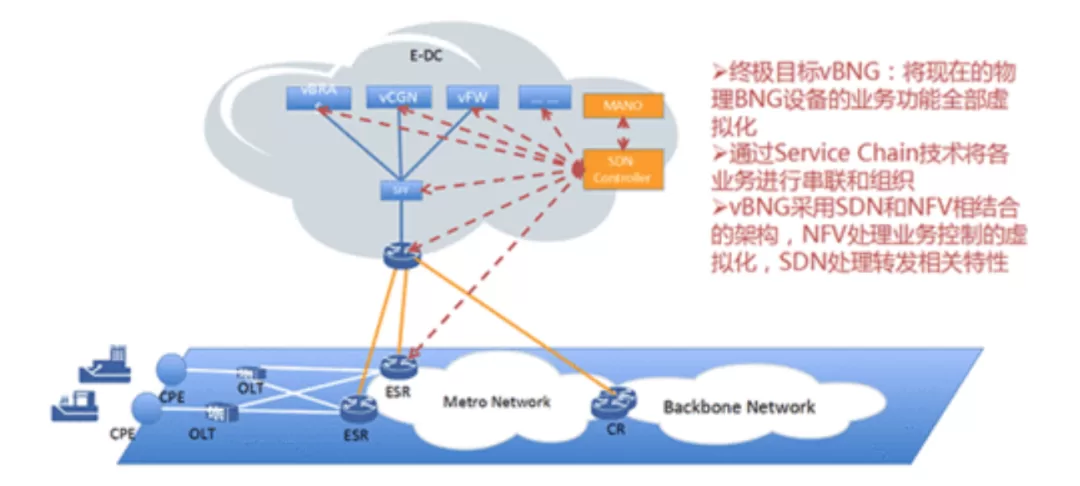
Through these convergence and decomposition methods, 2024 will continue to simplify operations, optimize the utilization of network resources, and reduce overall network costs. This approach will also help provide the quality of experience (QoE) required for real-time applications such as AR/VR entertainment, achieve symmetry between upload and download speeds, and bring a range of other benefits.
- Automating multi-layer network management and operations
In 2024, the growing trend of convergence and decomposition will drive new demand for domain controllers that can span multiple network layers, to achieve higher automation, better planning, and higher overall network efficiency. Such tools will also help ensure that latency-sensitive applications and services meet strict performance SLAs and support a better end-customer experience.
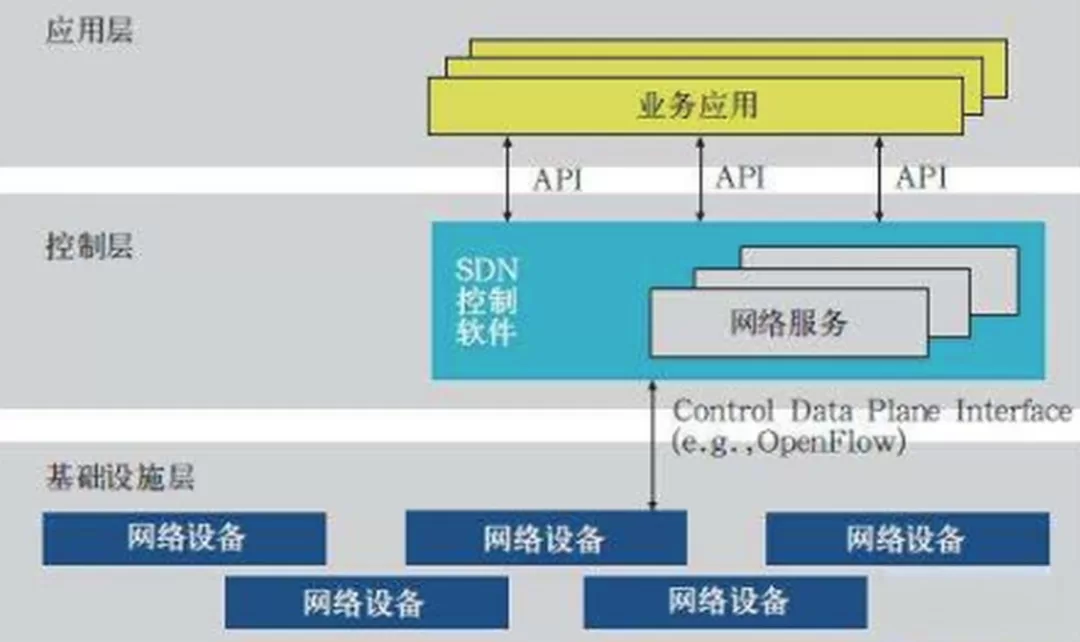
Currently, the industry’s most advanced domain controllers all have software-defined networking (SDN) capabilities to control multi-layer infrastructure and network services. They also provide a single view of the entire network, including broadband, fiber, IP, and Ethernet infrastructure, thereby improving operational convenience, enabling automated troubleshooting, and reducing software and training costs.
Enjoy this article?
Subscribe to get new optical communication insights delivered to your inbox. Free, unsubscribe anytime.