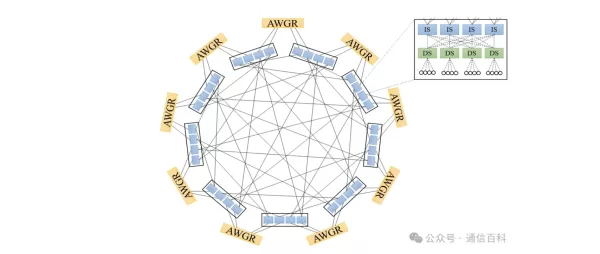
Let us first draw an analogy to understand what “hybrid optical-electrical networking” is all about. A traditional data center network is like a busy intersection, where cars (data) are increasing and the traffic lights (electrical switches) can barely keep directing them. So engineers came up with a clever idea: build a few direct “light-speed express…
Technology
Coupling Loss and Tolerance of Optical Fiber
In optical fiber connection technology, to keep loss low, the connection must be made with precision. This precision requirement is usually called “tolerance”. Simply put, “tolerance” is the maximum allowable deviation when fibers are mated. For example, position misalignment (lateral offset), angle deviation, and so on. The size of these tolerances directly determines whether light…
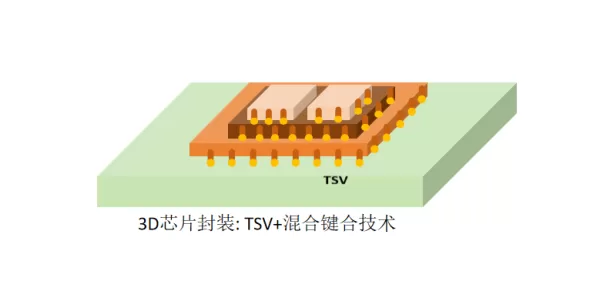
What Are 2D/2.5D/3D Packaging?
Before we begin, we first need to understand the concept of “layer” in a chip. Chip design adopts a layered approach, corresponding to different functional structures in the manufacturing process. For example, the pattern layers in the mask, and the material layers on the wafer (such as metal layers, polysilicon layers, and dielectric layers). Among…
In-Depth Research Report on the Optical Communication Industry
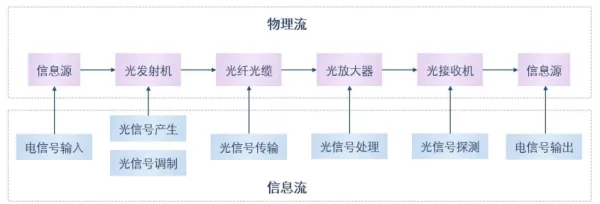
Optical communication, i.e., optical fiber communication, uses light waves as the signal carrier and optical fiber as the transmission medium, and is currently the mainstream fixed-network communication method. The optical communication revolution, from wide area networks and metropolitan area networks to local area networks, is gradually replacing electrical signal information transmission. Optical communication equipment is…