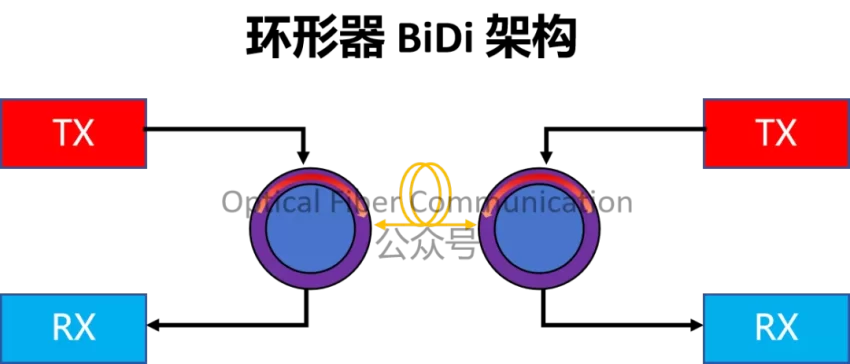
We previously explained in “Nvidia: CPO External Light Source Coupling Scheme with Polarization Tracker” how Nvidia solved the polarization instability caused by the CPO external light source. Today let’s continue to see how Nvidia achieves wavelength-independence and completely symmetric hardware at both ends in the BiDi bidirectional transmission architecture. In traditional bidirectional transmission schemes, a…
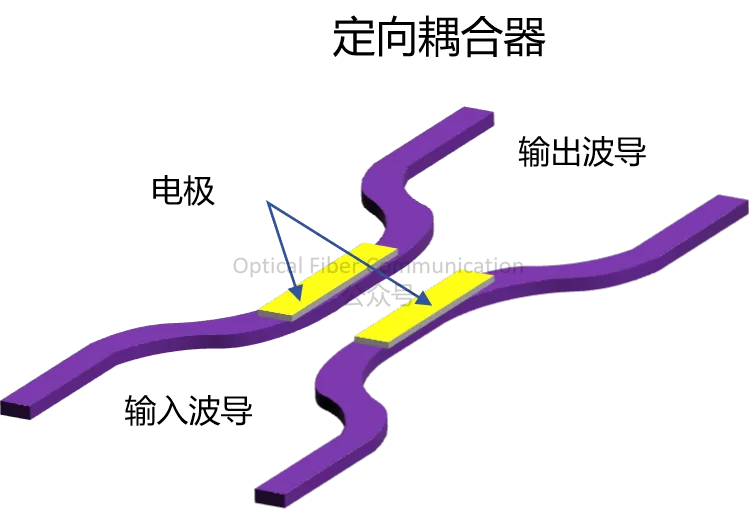
Basics: Directional Couplers and Optical Switches
A reader privately messaged asking me to explain multi-mode interferometers and directional couplers, probably after reading yesterday’s article Samsung: Latest Performance and Evolution Roadmap of the CPO Silicon Photonics Platform. Let’s start with directional couplers and related devices. A directional coupler is easy to understand. Two physically separate single waveguides, each supporting an independent guided…
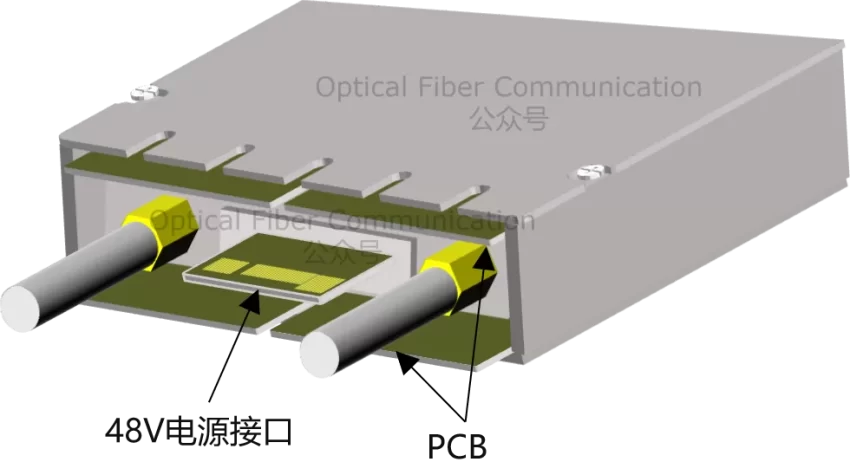
What Exactly Is XPO?
A hot topic in the industry this year is XPO, which stands for eXtra-dense Pluggable Optics, an ultra-high-density pluggable optical solution. It is currently considered the highest-density pluggable optical solution in the industry. XPO is mainly launched by Arista together with more than 45 industry partners, including domestic companies such as Source Photonics, Innolight, and…
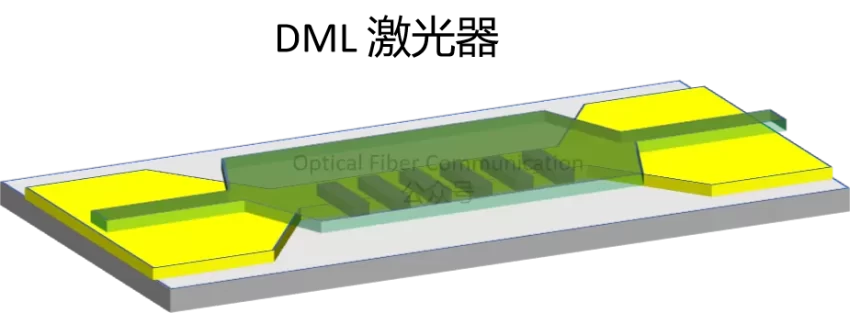
Why Does an EML Have a Higher Extinction Ratio Than a DML?
Extinction Ratio, abbreviated as ER. It is determined by the optical power P1 of logic “1” and the optical power P0 of logic “0”. The larger the ratio between the two, the higher the extinction ratio. In an eye diagram, the extinction ratio directly reflects the degree of separation between the “1” level and the…