Introduction – Technological Breakthrough In recent years, hollow-core photonic crystal fiber technology has made significant progress, reducing the attenuation of this type of fiber to a level comparable to that of all-solid silicon-based single-mode fiber. The continued progress in this field has not only rekindled the industry’s interest in hollow-core fiber technology, but also inspired…
Why Is the TE Mode Preferred over the TM Mode in Silicon Photonic Waveguides?
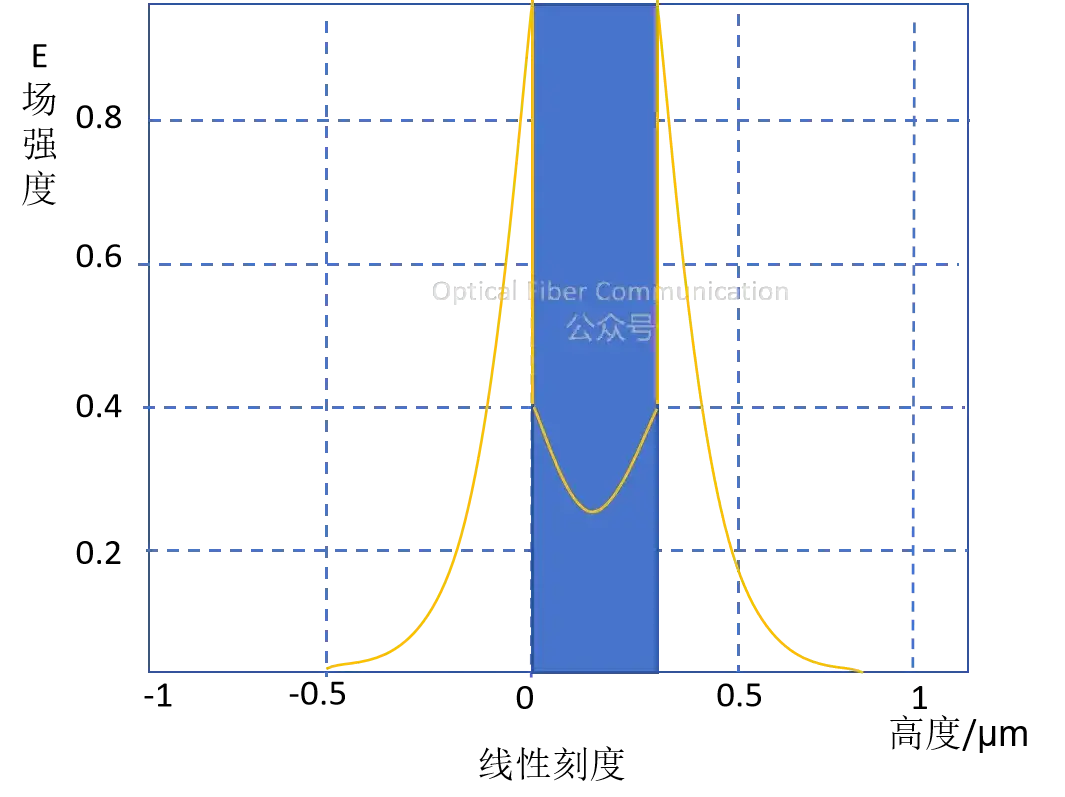
In the field of silicon photonics, the design and application of optical waveguides often favor the TE mode rather than the TM mode. The reasons behind this choice are multifaceted, involving complex physical phenomena and practical application considerations. From the two figures below, it can be seen that in the 1550 nm and 1310 nm…
What Exactly Is Polarization-Maintaining Fiber?
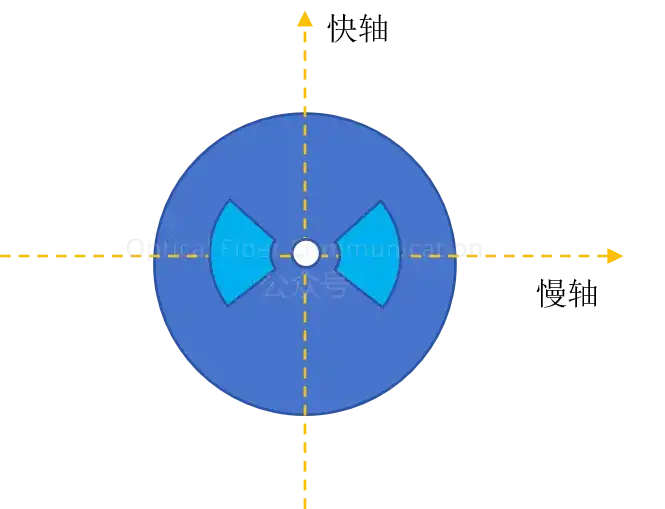
Polarization is a characteristic of the vibration direction of light waves. In traditional single-mode fiber, due to factors such as mechanical stress and temperature changes, the polarization state of light may change randomly during transmission, which may degrade signal quality, especially in polarization-sensitive systems. Why does this happen, and how to solve it? Let us…
What Is the Number 2.405 in Optical Fiber All About?
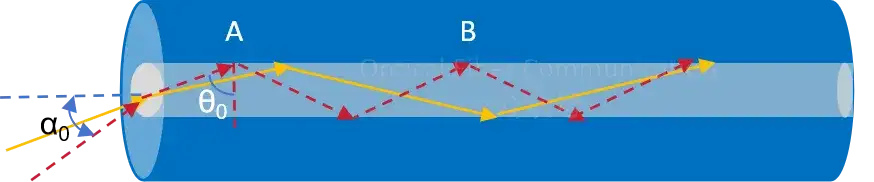
In optical fiber communication, the propagation of light depends on the refractive index difference between the core and the cladding. That is, when light is incident from the core onto the interface, if the incident angle is greater than the critical angle theta0, total internal reflection occurs, and no light energy transmits into the cladding…